Rising ticket prices and shifting fan behavior are forcing artists to rethink live touring economics and build stronger online communities.
Insights
- Blue Dot Fever reflects a larger affordability problem as rising ticket prices and touring costs make it harder for many artists to fill arenas consistently.
- Mid-tier artists are facing the most pressure because fan demand no longer guarantees expensive venue sellouts in a crowded live entertainment market.
- Digital platforms are becoming strategic revenue channels as podcasts, YouTube content, livestreams, and online communities create lower-risk audience engagement.
- Spotlight Creative Agency is helping artists expand online through content strategy, branded storytelling, digital events, and audience-building initiatives.
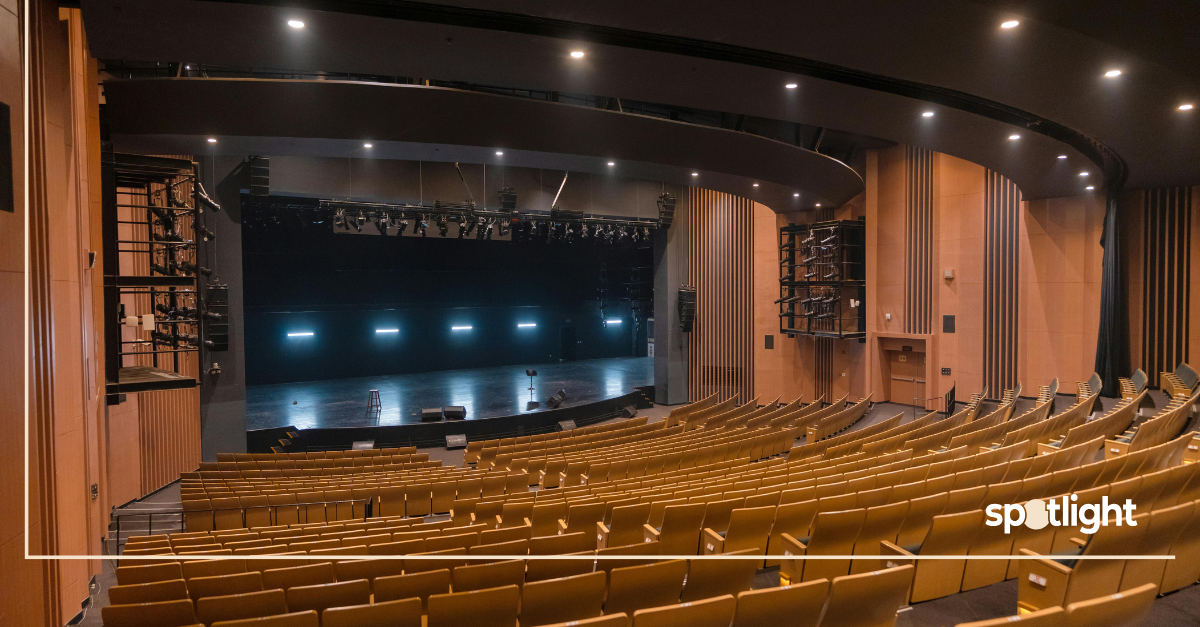
A growing number of artists are confronting what the music industry has started calling “Blue Dot Fever.” The phrase comes from Ticketmaster seating charts, where unsold seats appear as blue dots across arenas and stadiums. Over the past several months, fans and industry observers have linked the trend to postponed tours, canceled performances, and slower ticket sales across multiple genres.
Reports from outlets including the Los Angeles Times, The Times, and Page Six have connected the conversation to artists such as Meghan Trainor, Zayn Malik, Post Malone, and the Pussycat Dolls, all of whom faced public speculation around weak ticket demand despite offering other official explanations for schedule changes.
The issue reaches beyond individual artists. Touring costs have climbed sharply since the post-pandemic concert boom, while consumers are becoming more selective about where they spend discretionary income. Ticket prices, travel expenses, hotel costs, parking, and merchandise purchases now turn many concerts into premium entertainment purchases rather than casual nights out.
Industry analysts interviewed by the Los Angeles Times noted that some touring expenses, including transportation and bus rentals, have increased dramatically in recent years, putting additional pressure on artists already navigating unpredictable ticket demand.
At the same time, social media popularity no longer guarantees arena-level attendance. Artists may generate millions of views online while still struggling to convert digital attention into large-scale ticket sales. That disconnect is forcing many musicians, creators, and entertainment brands to rethink how fan relationships are built and monetized.
The Touring Model Is Under Pressure
For years, touring represented one of the most reliable revenue streams in music. Streaming reshaped recorded music economics, pushing artists toward live performances, VIP experiences, and merchandise sales to sustain profitability.
That model now faces growing friction.
Several factors are reshaping the market:
- Higher production and transportation costs
- Increased venue and staffing expenses
- Fan fatigue from rising ticket prices
- Greater competition across live entertainment
- Changing audience habits after the pandemic
- Social media attention that does not always convert into ticket sales
Industry executives speaking with the Los Angeles Times described an “erosion of the middle class” for touring artists, particularly among acts operating between club-level touring and stadium-level superstardom.
The challenge is especially visible for artists attempting large-scale venue jumps too quickly. In previous eras, artists often moved gradually from clubs to theaters to arenas over several album cycles. Today, viral visibility can accelerate expectations faster than audience behavior supports.
Blue Dot Fever reflects that disconnect. It is less about artists losing relevance and more about changing economics, fragmented consumer attention, and a fan base increasingly forced to prioritize spending.
Online Audiences Are Becoming More Valuable
As touring economics tighten, many artists are redirecting attention toward digital audience development.
Podcasts, YouTube series, livestreams, online fan communities, and virtual events are becoming more than promotional tools. They are increasingly functioning as standalone audience ecosystems that help artists maintain visibility without the financial risk attached to national tours.
YouTube allows artists to build recurring content formats that deepen fan loyalty between music releases. Podcasts create opportunities for long-form storytelling and personality-driven engagement that traditional interviews rarely provide. Virtual events and livestreams also expand access for fans who may not be able to afford travel, premium ticket prices, or multi-day festival experiences.
Digital content additionally gives artists more control over pacing and production costs.
A creator producing weekly online content can maintain audience engagement year-round without carrying the operational burden of buses, arena rentals, staffing logistics, and large touring overhead.
The shift does not mean live events disappear. Instead, many artists are beginning to treat digital engagement as a stabilizing layer around live performance strategy.
Spotlight Creative Agency Is Helping Artists Expand Online
As artists adapt to changing audience economics, Spotlight Creative Agency is helping entertainment brands strengthen their digital presence through content-driven audience growth.
The agency is working with artists across podcasts, YouTube programming, livestream experiences, and online event strategy designed to help creators maintain visibility beyond traditional touring cycles.
Areas of focus include:
- Podcast development and audience positioning
- YouTube content strategy and production planning
- Online event promotion and virtual fan experiences
- Brand storytelling across digital platforms
- Community-building strategies for long-term audience retention
Rather than relying entirely on expensive touring schedules, artists are increasingly exploring hybrid audience models that combine selective live events with always-on digital engagement.
That approach creates more flexibility during periods of economic uncertainty while helping artists maintain stronger direct relationships with fans.
Spotlight Creative Agency’s work reflects a broader industry shift where creators are becoming media brands, not just touring acts.
Fan Behavior Is Changing Faster Than Touring Infrastructure
Blue Dot Fever also reveals a larger behavioral shift inside entertainment culture.
Fans still value live music experiences, but spending habits are changing. Younger audiences now divide attention across concerts, streaming subscriptions, gaming, creator content, sports, festivals, and online communities. Economic pressure is making consumers more selective, particularly when single concert experiences can cost hundreds or even thousands of dollars once travel and fees are included.
At the same time, audiences increasingly expect direct access, personality-driven content, and year-round engagement from artists online.
That expectation creates opportunity for creators who can balance live performance with consistent digital storytelling.
Several broader trends are shaping the shift:
- Fans increasingly prioritize accessible experiences over premium pricing
- Online communities are becoming central to artist loyalty
- Smaller curated events are gaining traction against large arena tours
- Video content and podcasts are strengthening fan retention
- Artists are diversifying revenue beyond ticket sales alone
The entertainment industry is unlikely to abandon large-scale touring, especially for top-tier global acts. But Blue Dot Fever highlights growing pressure in the middle of the market where audience demand, pricing expectations, and operational costs no longer align as easily as they once did.
Strategic Visibility Matters More Than Constant Touring
The artists adapting most effectively are not disappearing from live performance. They are building broader ecosystems around their audiences.
Digital storytelling, community engagement, and platform diversification are becoming critical business strategies rather than secondary marketing tactics.
For artists facing a more unpredictable touring environment, the goal is no longer constant visibility through nonstop performances alone. Sustainable audience growth increasingly depends on maintaining connections wherever fans already spend time online.
That reality is creating new opportunities for agencies, creators, and entertainment brands willing to treat content, community, and digital experiences as long-term infrastructure rather than promotional extras.