Franchise fandom is moving faster than traditional media cycles, and brands are following the momentum straight to the shelf.
Insights
- Entertainment IP is compressing the sales cycle as brands tied to Bridgerton and Wicked capture peak audience emotion and convert it into immediate retail demand.
- Premiere windows are replacing one-night ad moments with limited drops that extend cultural relevance over weeks rather than seconds.
- Studios are stepping into active marketing roles offering amplification, assets, and cross-channel visibility beyond standard licensing agreements.
- Agencies are reframing IP partnerships as commerce strategy rather than awareness plays, especially across beauty, CPG, and fashion.
The supermarket shelves are starting to look like a streaming homepage.
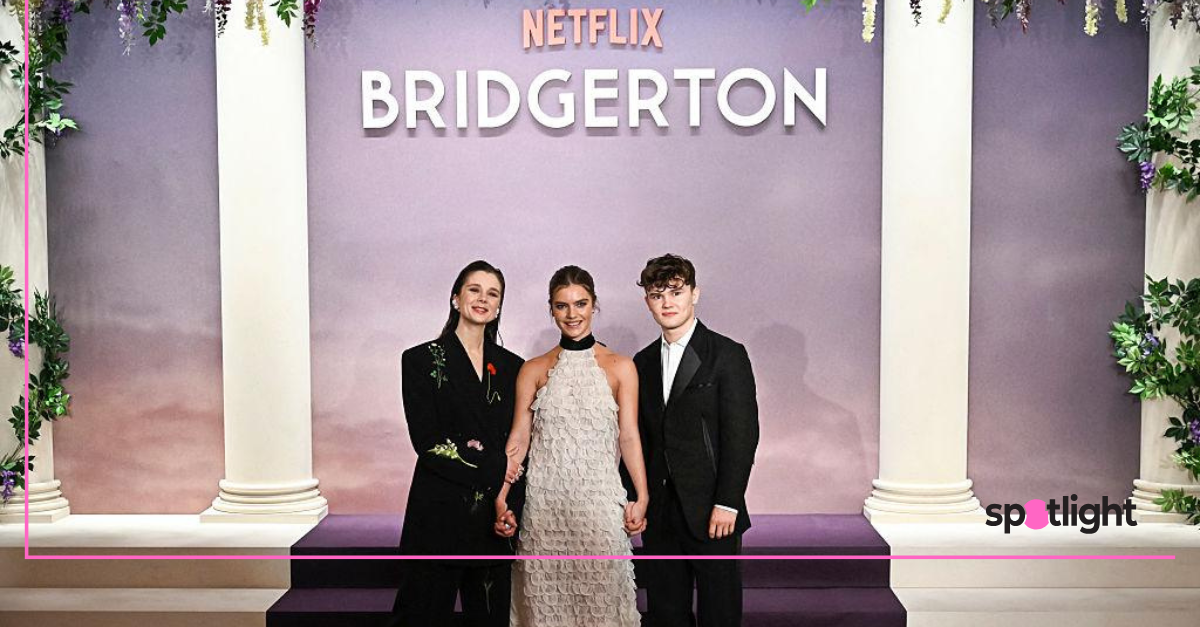
In early 2026, retailers leaned into partnerships tied to Bridgerton and Wicked, launching collections that landed within days of major promotional pushes.
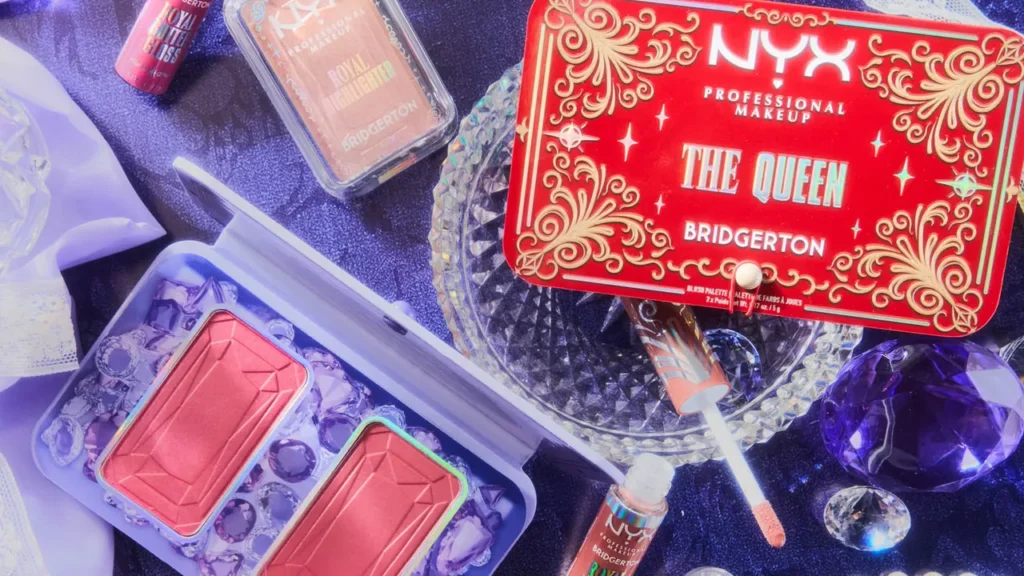
Retail buyers cited faster early sell-through on entertainment-linked SKUs compared to evergreen lines, according to coverage from Business Insider and People.
The lift was concentrated in the first few weeks, when social chatter peaked, and fan engagement was highest.
Instead of spending heavily to manufacture awareness, branding is inserting itself into conversations that were already happening at scale.
Fandom Now Has a Checkout Button
The shift is less about novelty and more about infrastructure, with Bridgerton, the aesthetic translated cleanly into product.
Ornate detailing, romantic colorways, and giftable formats gave retailers something visually distinct without straying from the brand’s own identity.
In the case of Wicked, emerald tones and theatrical cues carried immediate recognition, with the familiarity lowering hesitation at the point of sale.
Launches were built around premiere calendars, not quarterly resets. In-store signage aligned with social campaigns.
Displays were constructed with photography in mind because brands understood that the real distribution channel would be TikTok feeds.
Scarcity also played a role, with limited quantities driving urgency and keeping assortments feeling current.
Retail space is increasingly designed to hold a cultural moment for a few weeks, then clear for the next one.
The Economics Behind the Strategy
There is hard data behind the enthusiasm.
Experiential marketing spend reached $128 billion globally in 2023 and is projected to exceed $200 billion by 2030, according to PQ Media. Brands are allocating more dollars toward engagement-driven formats that create participation rather than passive exposure.
Streaming adoption is near saturation in the U.S., with 91% of internet households subscribing to at least one streaming video service, according to Parks Associates. That scale gives major franchises immediate national reach the moment a season drops or a film premieres.
At the same time, the global licensing industry generated $369.6 billion in retail sales in 2024, based on the latest Global Licensing Industry Study. The commercial infrastructure behind entertainment IP is already massive, and brands tapping into it are plugging into an ecosystem with proven retail velocity.
Compared to a traditional endorsement deal, the narrative depth is wider, since a fictional universe carries visual language, tone, and character alignment that brands can borrow without building from scratch.
Agencies are adjusting quickly because the implications touch media planning, retail strategy, and creative development:
- IP is replacing celebrity as the primary relevance shortcut, giving brands access to a broader narrative world instead of a single personality.
- Retail environments are being treated as content generators, designed for shareability as much as sell-through.
- Studios are operating as active collaborators, contributing owned media distribution, coordinated press, and creative assets that extend campaign reach.
Instead of concentrating spend around a single broadcast event, marketers are spreading investment across premiere cycles that last weeks or months. The cultural runway is longer, and so is the opportunity to convert.
Spotlight View: Is Franchise Commerce the Smarter Bet?
I believe it is a smart bet, particularly because major franchises arrive with built-in narrative structure, visual identity, and audience momentum that brands can align with rather than build from zero.
I have watched the coordination between streaming release calendars and retail planning cycles grow tighter each year, giving marketers clearer activation windows when attention is already concentrated. When audience emotion peaks around a premiere, the brands that are already on shelf are the ones that capture demand in real time.
I see the advantage going to agencies that treat entertainment partnerships as integrated commerce systems spanning media, merchandising, and timing, instead of surface-level co-branding exercises.
Culture now moves on scheduled launch cycles, and I think the marketers who plan against those rhythms will continue to generate stronger retail outcomes, similar to what Salesforce’s partnership with Mr. Beast has.
If your brand is looking to align with culture at the speed it actually moves, this is where strategy matters. Spotlight Creative Agency works with marketers and leadership teams to identify the right entertainment partnerships, structure them for retail impact, and build campaigns that convert attention into measurable growth.
When you are ready to move from passive awareness to franchise-driven commerce, we are ready to build the roadmap with you.

Alex Fonseca is a creative marketing strategist and CMO with over 16 years of experience driving brand growth through integrated campaigns, storytelling, and digital innovation. At Sportlight Creative Agency, she brings her expertise in content, branding, and market insights to spotlight the strategies shaping today’s most compelling marketing narratives.