Agency strategy must evolve to balance automation, creativity, and regulatory trust as CES highlights both innovation and practical adoption.
Insights:
- AI moves into daily work with actionable tools that help teams build, optimize, and measure campaigns faster while preserving strategic oversight.
- Self-service platforms challenge agencies as major media owners offer AI-powered campaign planning and measurement directly to brands.
- Creative value rises for premium brands as some high-end advertisers push back on quick-turn AI creative in favor of deliberate, crafted work.
- Regulation and human oversight became central concerns for marketers evaluating AI efficiency alongside ethical and legal frameworks.
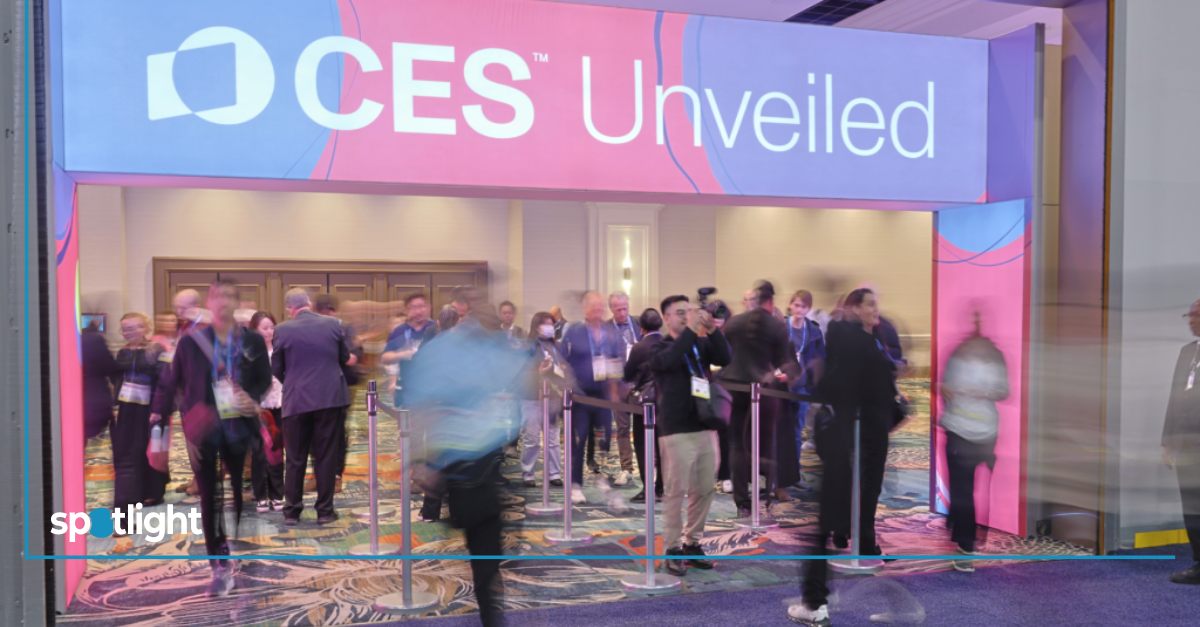
CES brings innovators and agencies together under one roof each January, and CES 2026 reaffirmed this event’s strategic value for the marketing community, not just tech gadget fans.
The 2026 edition, held January 6-9 in Las Vegas, was marked by a saturation of artificial intelligence across categories but, crucially, a shift toward integrating AI into real business workflows rather than just showcasing novelty.
AI’s role at CES was everywhere: from agentic systems that automate parts of media buying to tools for creative generation and campaign metrics.
Disney unveiled AI tools for self-service advertising that enable brands to plan, generate, and measure ads directly on its platform, a development that could reshape agency media planning and strategy.
Conversations on agency floors moved past whether AI will transform the industry to how it already is, with marketers calling 2026 AI’s “show-me-the-money moment.”
That phrase captures the industry’s growing insistence that AI tools must prove concrete returns versus mere novelty.
AI Tools and Workflows That Matter
For agencies looking to be competitive, CES 2026 showed several clear trends in AI adoption:
-
Integrated AI campaign tools from platforms like Disney and others begin to blur the line between agency and brand execution, raising questions about future agency roles.
-
Agentic AI and retail media automation moved from curiosity to practical use cases, with brands exploring automated decisions in media buying and optimization.
-
Efficiency gains in creative production were touted by companies building AI that can analyze data and help teams generate briefs, storyboards, and draft assets faster.
CES highlighted that agencies still have a critical role, but that role is evolving.
AI can automate repetitive tasks, surface patterns, and test options at scale, but human strategic judgment remains central to making sense of insights, guarding brand values, and making final creative decisions, a balance that agencies must master.
Fast AI Versus High-Art Craft
There’s a narrative outside the CES keynotes worth noting.
Many premium and luxury brands continue to prefer slower, artisanal advertising over quick AI-generated spots.
The industry perception that AI creative equals cheap, disposable ads persists among elite marketers who prize crafted narratives, iconic cinematography, and hand-made storytelling.
Brands like Porsche and other high-end automotive names have historically leaned into crafted brand storytelling that champions heritage and emotion.
While Porsche wasn’t at CES specifically for a marketing moment, its broader brand posture reflects this trend within premium categories.
Other luxury and heritage brands in categories like watches, spirits, and fashion have publicly emphasized handcrafted campaigns that resist an algorithmic feel.
While some have experimented with AI for ideation and analytics, backed creative work often remains desk-driven rather than quickly assembled.
This bifurcation is not a rejection of AI but a strategic choice: premium brands view creative craft as core to perceived value, not something to be commoditized by speed.
Agencies serving these clients must navigate this nuanced terrain, finding where efficiency tools serve strategy without eroding artistic brand identity.
AI Regulation and Trust on the Agenda
Another consistent undercurrent at CES 2026 was the importance of responsible AI. Agencies and brands are increasingly aware of the need for:
-
Clear human oversight in automated systems to avoid unintended bias or miscommunication.
-
Transparent decision processes in AI-driven media and creative recommendations.
-
Regulatory compliance as governments and industry bodies signal that unchecked autonomous campaigns are not viable long-term.
This focus on trust signals that AI adoption will require governance frameworks as much as technical investments.
Spotlight View: What Did CES 2026 Mean For Agencies?
First, AI is no longer optional, it’s entering core workflows in measurable ways.
Tools that streamline planning, optimization, and measurement are no longer prototypes, they’re products marketers can experiment with now.
Second, there’s a clear cultural divide between fast AI creative and premium handcrafted work. Agencies must excel at both efficiency tools and creative craft to serve divergent client expectations.
Finally, the trend for 2026 will be practical integration of AI, not AI for its own sake.
The winners will be agencies that blend human strategy with smart automation, manage AI governance responsibly, and treat technology as a force multiplier rather than a creative replacement.
Ready to Turn CES 2026 Insight into a Real Brand Advantage?
Spotlight Creative Agency helps brands and agencies integrate AI thoughtfully, protect creative craft, and build work that holds up at the highest level. From AI-enabled workflows to premium, human-led storytelling, we design systems and ideas that actually scale without losing soul.
Explore how we help teams move faster, think sharper, and create work worth slowing down. Contact us today!