Featuring Calvin Harris and Miles Chamley-Watson, the campaign positions Healf as a wellbeing platform built around real routines, not rigid rules.
Insights:
-
Healf’s January campaign rejects prescriptive wellness by spotlighting personalised routines at a time when restrictive health messaging typically peaks.
-
High-profile talent plays operational roles, not just faces, with Calvin Harris named Chief Wellbeing Officer and Claudia Schiffer positioned as both investor and ambassador.
-
The platform’s scale underpins the message as Healf passes £100 million in annual revenue and serves more than 550,000 regular customers.
-
Personalisation moves from messaging to product experience through data-led recommendations across EAT, MOVE, MIND, and SLEEP.
January wellness usually arrives with rules, resets, and short-lived ambition.
Healf is pushing in a different direction.
The UK wellbeing platform has launched Wellbeing Made Personal, a new January campaign that frames health as adaptive, individual, and shaped by daily reality rather than universal standards.
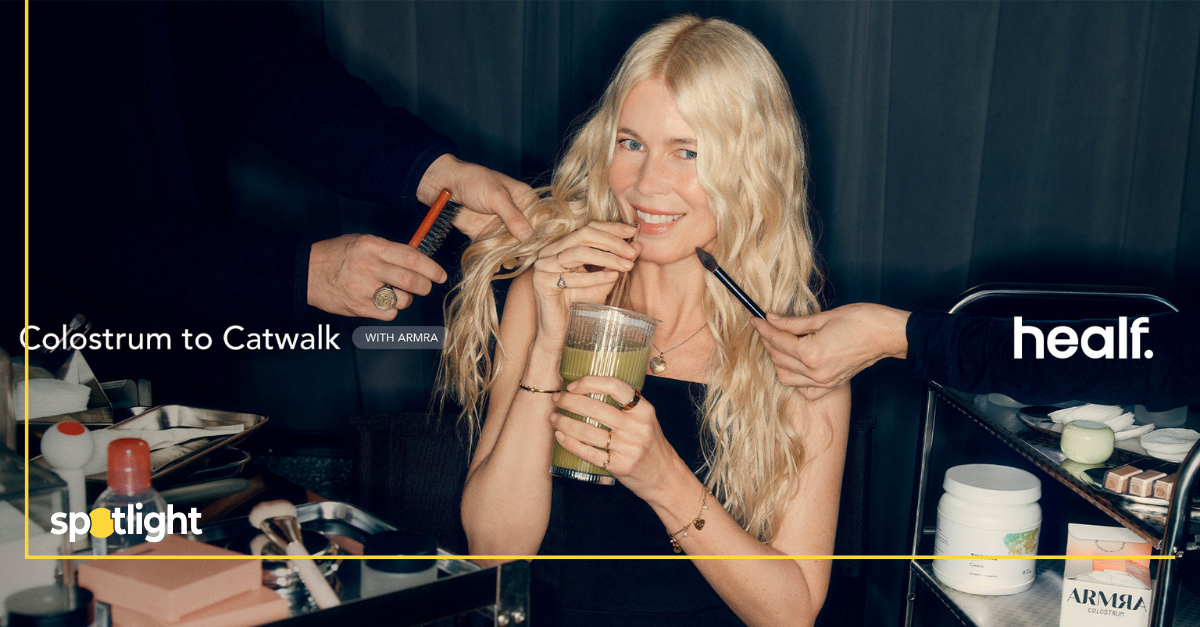
Fronted by Claudia Schiffer, Calvin Harris, and Miles Chamley-Watson, the work positions Healf less as a retailer and more as a personal wellbeing system.
The campaign lands across more than 1,500 London billboards through 9 February, supported by film, social, and digital placements.
It coincides with continued growth for the company, which now reports more than £100 million in annual revenue.
The timing is deliberate, aiming to intercept resolution culture with a softer, more personal alternative.
At the center is a simple idea: wellbeing works best when it fits real life.
Real Routines, Not Idealised Wellness
Rather than prescribing behaviours, the campaign follows how three very different lives manage wellbeing day to day.
Claudia Schiffer appears not only as the campaign’s face but as an investor and Ambassador for Women’s Health and Longevity, reinforcing credibility beyond endorsement.
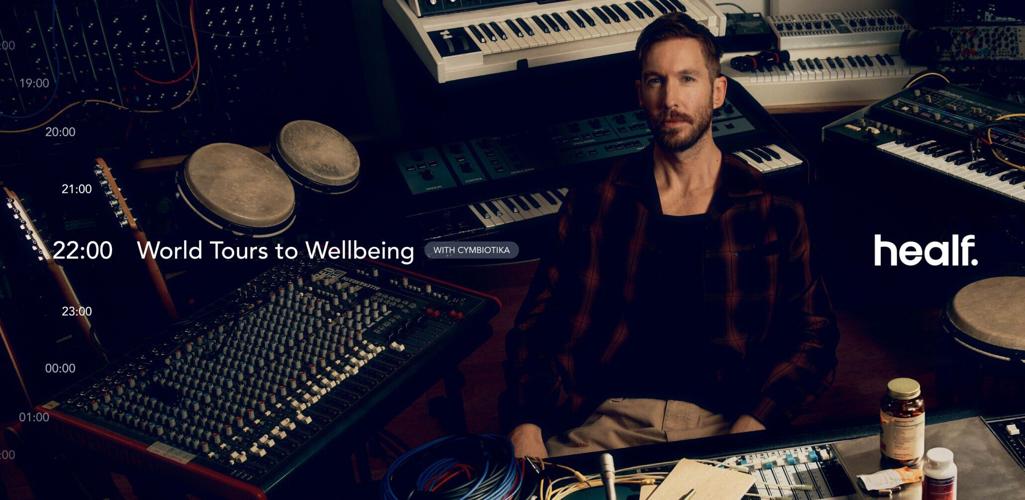
Calvin Harris steps in as Chief Wellbeing Officer, shaping product philosophy and curation rather than simply lending profile.
Olympic fencer Miles Chamley-Watson joins as brand ambassador, reflecting a performance-led yet accessible view of health.
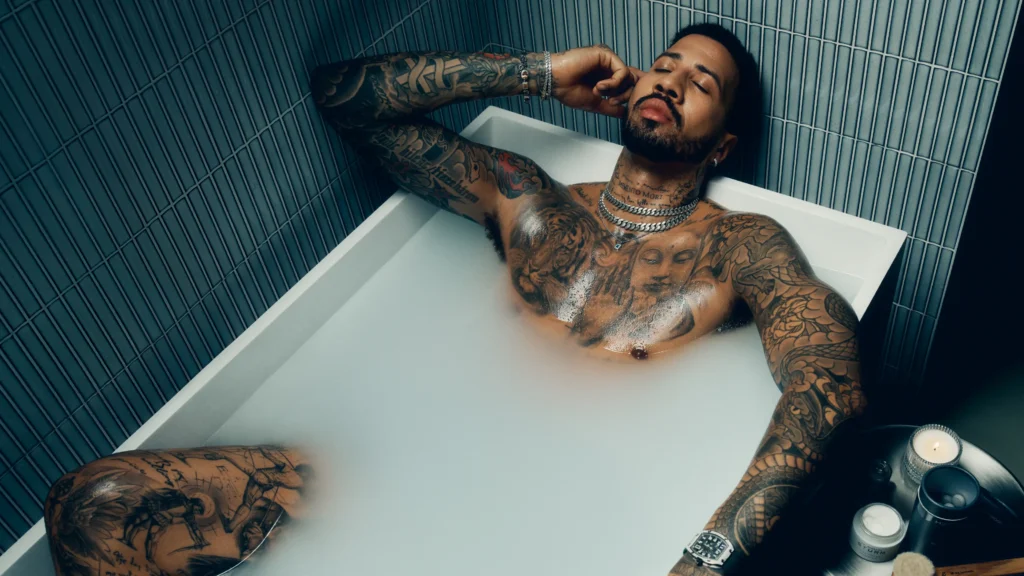
Each figure shares personal habits tied to their routines, schedules, and pressures. Touring, training, and long-term health are treated as moving targets rather than fixed outcomes.
The creative avoids before-and-after storytelling in favor of everyday consistency, reinforcing that wellbeing shifts with context.
That approach aligns closely with Healf’s positioning as a platform that adapts alongside its users. The result feels closer to lived experience than aspiration.
Personalisation Meets Scale
The campaign lands as personalisation becomes table stakes across health, fitness, and retail.
According to Grand View Research, the global digital health market reached an estimated $288 billion in 2024, fueled by rising demand for personalised tools and data-driven guidance.
Healf’s response focuses on infrastructure rather than slogans, pairing cultural relevance with systems built to adapt to individual needs.
To support the campaign message, the platform now offers personalised product recommendations across its Four Pillars based on browsing and purchase history.
Central to this is Healf Zone, a wellbeing intelligence tool combining blood tests, clinical insight, and practitioner guidance to narrow down more than 4,000 products to individual needs.
-
Personalised wellbeing drives engagement as consumers increasingly expect health platforms to adapt in real time.
-
Curation acts as a trust signal in a category crowded with conflicting advice and products.
-
Data-backed guidance bridges lifestyle and health tech, positioning wellbeing as an ongoing practice rather than a seasonal fix.
By pairing cultural visibility with functional personalisation, Healf strengthens the link between message and experience.
Healf’s January push offers clear lessons for brands operating in wellness, health tech, and beyond:
-
Credibility now comes from participation, as talent embedded in product and philosophy carries more weight than surface-level endorsements.
-
Wellness narratives are shifting toward flexibility, reflecting how people actually live rather than how they aspire to live.
-
Personalisation must be operational with data and tools that deliver relevance, not just messaging that promises it.
As wellness culture matures, platforms that respect variability over discipline are likely to earn longer-term trust.
Spotlight View: Does January Still Need a Reset Narrative?
Healf suggests it does not, and I agree. By framing wellbeing as personal, adaptive, and ongoing, the brand sidesteps the burnout cycle that defines resolution culture.
More importantly, the product experience appears to back up the message, and that alignment is where modern wellness brands either win or fade.
Spotlight Creative Agency helps brands turn real momentum into sharp, credible storytelling.
From campaign analysis to cultural reporting, we write with newsroom discipline and strategic clarity. If your brand needs coverage that cuts through without selling out, give a call.