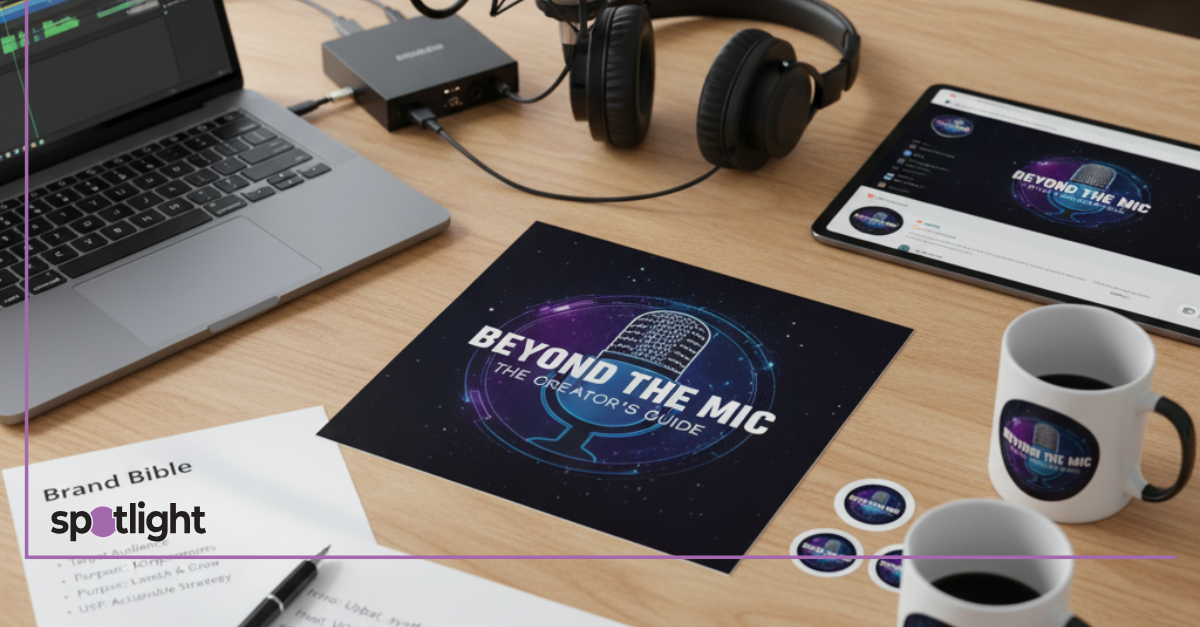
Let’s be honest: just pressing ‘record’ and uploading an episode isn’t going to cut it anymore. The podcast landscape is absolutely flooded. If you want to cut through the noise, build a loyal following, and ensure your show has real staying power, you’ve got to think way beyond the microphone. You don’t just need a podcast; you need a podcast brand.
Your brand is the whole package—it’s the feeling people get when they listen, the vibe from your social media, and the unique promise you make to your audience. It’s the secret sauce that makes people remember your show, tell their mates about it, and stick around for the long haul.
So, how do you go from simply making noise to building a powerhouse brand? It all starts with a proper, thought-out strategy. Here are four essential steps to help you launch a successful podcast brand that genuinely connects.
Step 1: Pin Down Your Niche and Your ‘Why’
Before you scribble down a single episode idea or daydream about celebrity guests, you need to laser-focus on your niche. Think of it this way: if you try to speak to everyone, you’ll end up speaking to no one. Who is your dream listener? What burning question do they have, or what specific interest do they share that you can scratch?
The most successful podcasts don’t just cover a broad topic; they own a tiny, specific corner of it. The Rest Is History, for example, isn’t just a history show; it’s a history show delivered with wit, genuine chemistry, and a great deal of academic rigour.
Once your audience is crystal clear, you need to articulate your Unique Selling Proposition (USP). What is the one thing that sets your show apart? Is it your utterly unique perspective, a particular interview technique, your wicked sense of humour, or maybe your unparalleled research? This USP is the foundation—it’s the core message that needs to shine through every piece of content you put out.
- A Quick Tip: Go listen to the competition. Truly listen. What are they doing well, and more importantly, where are they falling short? Look at the reviews—what are listeners complaining about? That gap is where your USP lives. Write it all down in a simple brand guide; it’s your compass.
Step 2: Build a Visual and Sonic World
Your podcast might be an audio product, but your brand is very much a visual one too. In the digital space, your cover art is often your first, and only, chance to grab a listener’s attention. If it looks amateur or messy, people are just going to scroll straight past.
Your visual identity—the cover art, the social media templates, your website’s colours—needs to be clean, professional, and tell your show’s story instantly. It needs to look good and legible on every tiny phone screen. Think about the colours and fonts that truly represent your tone.
Then, there’s your sonic identity. This is just as important. It includes your theme tune, any recurring sound effects, and your host’s distinctive tone. Your intro music isn’t just filler; it’s the mood setter. It should immediately signal the style of your show. And listen, no matter how brilliant your content is, if the audio quality is poor—if you sound like you’re recording in a tin can—listeners will bail almost immediately. Crisp, clear sound is non-negotiable.
- A Quick Tip: Hire a proper designer for your cover art if you can possibly manage it. If not, use tools like Canva but hold yourself to high standards of consistency. Spend time choosing a piece of royalty-free music that perfectly encapsulates your brand’s vibe. And for goodness sake, get a decent microphone!
Step 3: Master the Art of Consistency (The Voice is Everything)
If branding had a golden rule, it would be consistency. This isn’t just about making sure you release a new episode at the same time every Tuesday (though that’s vital for listener retention). It’s about being consistent across the board: quality, episode length, and especially your brand voice.
Your content strategy needs a roadmap. What kind of episodes will you do? (Interviews? Solo rants? Deep dives?) How long should they be? And what’s your publishing calendar? Commit to a schedule and stick to it religiously. If you absolutely have to miss a week, tell your audience before the day, not after.
Crucially, your brand voice is what makes you feel like a person, not a product. Are you going for relaxed and conversational? Sharp and academic? Cheeky and satirical? Whatever it is, that voice needs to be identical across every single episode, your show notes, and all your social media chatter. That reliable voice builds deep familiarity and trust, making your listeners feel like they’re meeting up with a mate every week.
- A Quick Tip: Create a simple content spreadsheet with topics and deadlines. And before you write anything—show notes, a post, or an email—write down three adjectives that describe your voice (e.g., ‘warm, witty, evidence-based’). This will force you to keep your writing on brand.
Step 4: Stop Broadcasting and Start Building a Community
A truly successful podcast brand isn’t a loudspeaker; it’s a brilliant gathering place. Building a vibrant community around your show is the single most powerful thing you can do to ensure long-term growth and success.
You have to actually engage with your listeners. Don’t just post a link and vanish. Ask real questions on social media, share bits of ‘behind the scenes’ content, and reply to their messages. Give them a dedicated space, like a Facebook group or a Discord channel. And yes, keep encouraging those reviews and ratings—they are the social proof that drives new discovery.
But go one step further: make them feel like a co-creator. Ask for their input on topics, read their emails out on air, or even run a ‘listener question’ segment. When listeners feel heard and genuinely valued, they stop being passive listeners and turn into your most enthusiastic marketers and advocates. They become the force that champions your brand.
- A Quick Tip: Dedicate 15 minutes a day to responding to comments and messages on whatever platform your audience hangs out on. Give a shout-out to a loyal listener in every episode. Consider starting a simple, value-packed email newsletter—it’s a brilliant way to nurture that community away from the ever-changing social algorithms.
Launching a successful podcast brand is an absolute marathon, not a sprint. It takes dedication, a lot of self-reflection, and a genuine, burning desire to connect with your audience. By defining your corner, nailing your identity, staying consistent, and building a loyal tribe, you’ll be creating a show that not only captures ears but truly captures hearts, ensuring its impact lasts long after the recording light switches off.